Lymphatic Drainage
What is lymphatic drainage?
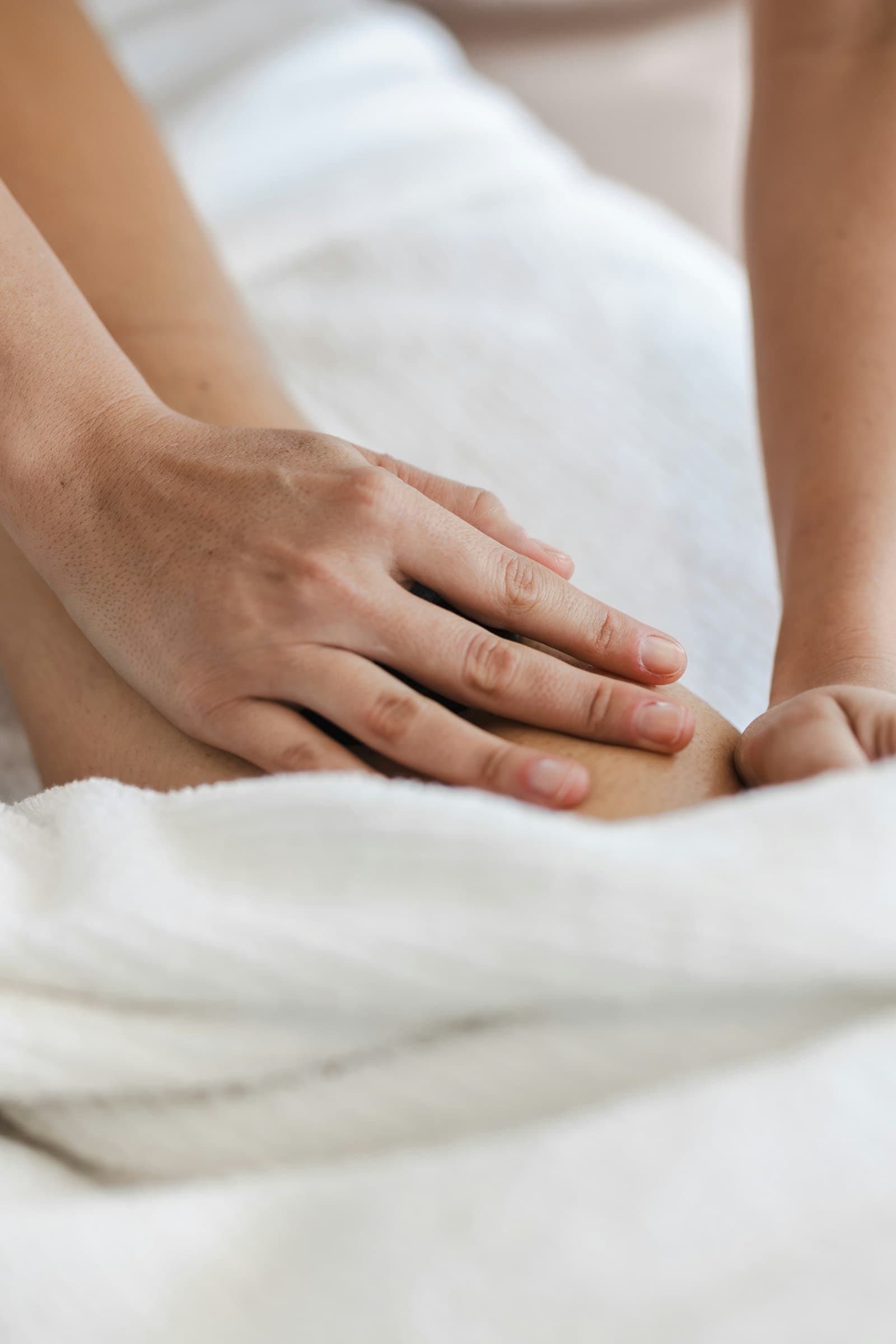
Your lymphatic system plays an important role in maintaining fluid balance throughout the body. It collects excess fluid from the tissues and returns it to circulation.
Unlike the cardiovascular system, the lymphatic system does not have a central pump like the heart. Lymph movement is supported by breathing, muscle movement, and the natural contractions of lymphatic vessels.
Lymphatic drainage uses gentle, specialized techniques to support the natural movement of lymph and excess fluid through functioning lymphatic pathways.
Why is lymphatic drainage important after surgery?
After cosmetic surgery, swelling and fluid buildup are a normal part of the body’s healing response. Surgery can temporarily affect tissues and normal lymphatic pathways, making it more difficult for fluid to move efficiently through treated areas.
This can contribute to swelling, tightness, heaviness, tenderness, and areas of firmness during recovery.
Post-operative lymphatic drainage is designed to gently support your body’s natural fluid movement while your tissues heal.
It may help:
- Support the reduction of swelling and fluid congestion
- Encourage movement of excess fluid
- Relieve feelings of tightness and heaviness
- Improve comfort throughout recovery
- Support tissue mobility as healing progresses
As the body continues to heal, some areas may feel firm, tight, uneven, or restricted. When appropriate for your stage of recovery, fibrosis-focused techniques may be incorporated to help improve tissue mobility and soften areas of post-operative firmness.
Why more than one session?
Your body continues to change throughout the healing process. Swelling can shift and fluctuate, and your recovery needs may be different from one week to the next.
For this reason, post-operative lymphatic care is often most beneficial as a series of sessions rather than a one-time treatment, allowing the techniques to be adjusted as your body progresses through different stages of healing.
The number and frequency of sessions are individualized based on your recovery, swelling, stage of healing, and your surgeon’s recommendations.
Lymphatic techniques
Manual Lymphatic Drainage (MLD) — Dr. Vodder Method
The Dr. Vodder Method is a specialized form of Manual Lymphatic Drainage (MLD).
It uses very light, slow, and rhythmic hand movements that gently stretch the skin rather than applying deep pressure to the muscles. Specific movements and sequences are used to support the natural movement of lymph through functioning lymphatic pathways.
Because many lymphatic vessels are located close to the surface of the skin, more pressure does not mean better drainage.
This gentle approach can be particularly well suited to early post-operative recovery when tissues may still be swollen, sensitive, and healing.
Brazilian-style lymphatic drainage
Brazilian-style lymphatic drainage is typically more dynamic than traditional Vodder MLD. It may combine lymphatic movements with faster, firmer strokes and body-contouring techniques.
It is often used to reduce temporary puffiness and create a more sculpted and defined appearance.
Because it is generally more vigorous and contour-focused, Brazilian-style lymphatic drainage is typically introduced later in recovery, once the tissues have had time to heal.
Kinesiology taping for lymphatic support
Specialized kinesiology tape is applied with very little tension using specific lymphatic patterns. The tape gently lifts the superficial skin and may help support the movement of excess fluid through the tissues.
Because the tape remains in place after your appointment, it can provide gentle, ongoing support between lymphatic drainage sessions.
Kinesiology taping may be incorporated when appropriate for your skin, surgical area, and stage of recovery.
Lymphatic cupping therapy
Lymphatic cupping therapy uses light, controlled suction to gently lift superficial tissues and may help support fluid movement.
This is different from traditional deep cupping and is not intended to create strong suction, bruising, or the dark circular marks commonly associated with traditional cupping.
Lymphatic cupping is incorporated when appropriate for your tissues and stage of recovery.
What should lymphatic drainage feel like?
Post-operative lymphatic drainage should generally feel gentle, rhythmic, and comfortable—not painful or aggressive.
Especially during early recovery, stronger pressure does not mean a more effective treatment. As your body heals, techniques can be adjusted to match your stage of recovery.
Important to know
Lymphatic drainage is supportive post-operative care and does not replace your surgeon or medical treatment.
Any suspected complication—including a seroma, infection, wound concern, blood clot, or unexpected change in your recovery—should be evaluated by your surgeon or appropriate medical provider.
Always follow your surgeon’s instructions regarding wound care, compression garments, activity, medications, and when to begin post-operative massage.